

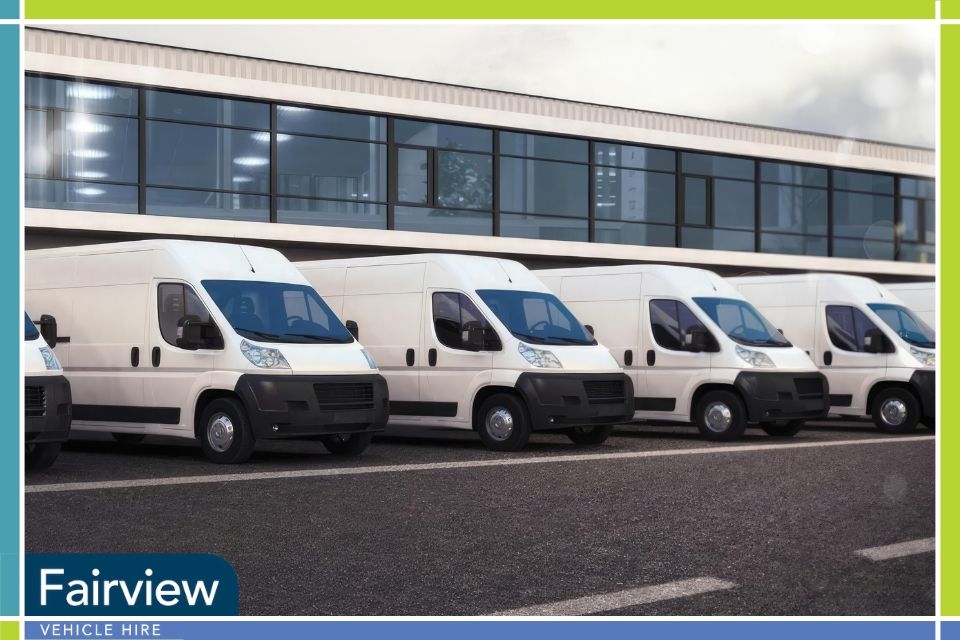
Buying a van may seem like the automatic choice for any London business that needs to move goods, tools or equipment. Many SME owners and fleet managers often hire vans instead to avoid making a permanent investment.
Business van hire in London covers single days, seasonal peaks and contracts lasting a year or more. A van can stay in your fleet for exactly as long as the work lasts, then go back to the rental company.
Hiring is not automatically cheaper than buying.
However, it’s often the better option for short contracts, seasonal peaks, trial runs into new markets and covering vans that are off the road.
To hire or purchase really depends on how long you need the van, how often it runs and how much cash your business can tie up.
Why are London Businesses Hiring Vans Instead of Buying Them?
London businesses are hiring vans because a hire van links vehicle costs to the work coming in. You pay for a van while it is earning and avoid a large purchase upfront.
The main reason businesses make the switch is the flexibility:
- A business can add an extra van for a one-off job or a long-term contract and hand it back when the work ends.
- Money that would go on a deposit or purchase stays free for hiring staff, buying equipment or marketing.
- Growing businesses can scale up without committing to vehicles they may not need in six months.
- Hire fleets keep newer models, which helps with reliability and ULEZ compliance.
- On longer hires, servicing, MOTs and breakdown cover sit with the hire company.
Emission rules apply more in London than in most UK cities. A non-compliant van pays £12.50 a day to drive in the Ultra Low Emission Zone, which covers all of Greater London. Across a 250-day working year, driving within the zone daily adds up to more than £3,000 for one older van.
What Does Owning a Van in London Cost Beyond the Purchase Price?
Owning a van costs far more than the price on the forecourt. Depreciation, servicing and insurance keep running for as long as the van sits on your books, used or not.
Taking a standard medium van costing around £30,000 (excluding VAT), the costs of ownership typically include:
- Depreciation of roughly £15,000 to £18,000 across the first three years, with the steepest fall in year one.
- Servicing and MOT costs of £400 to £800 a year, rising as the van ages.
- Road tax of £335 to £360 a year, the standard light goods vehicle rate since April 2026.
- Breakdown cover at around £150 a year.
- Commercial van insurance, which is often higher for London postcodes and varies by driver and use.
- Finance interest if the van is not bought outright.
We break these figures down further in our guide to how long-term van hire helps businesses scale.
How Do Van Hire Compare With Buying a Van?
Business van hire costs are easier to plan for than ownership costs because the rate is agreed before the hire starts.
At Fairview Vehicle Hire servicing, MOT, road tax and breakdown cover is included in our agreed rate for long-term van hires.
- Small vans such as the Peugeot Partner from £61.17 per day or £358.19 per week.
- The Ford Transit Custom SWB from £69.51 per day.
- LWB Ford Transit from £83.96 per day.
- Luton van hire in London from £116.46 per day, for bulky loads such as furniture, stock or event kit.
- Refrigerated vans from around £129.51 per day.
How those rates compare with ownership depends on how long you need the van. For most SMEs the answer sits somewhere in between. Many keep a small owned core fleet and use commercial van hire in London to cover peaks, new contracts and breakdowns.
When Does Buying a Van Make More Sense than Hiring?
Buying a van makes more sense when the vehicle runs every working day, for many years, on predictable routes. Ownership then spreads the purchase cost across a long working life.
Buying is often the better option for businesses that:
- Need permanent modifications such as racking, signwriting or specialist equipment fitted to the van.
- Want to use the Annual Investment Allowance, which can let a business deduct the full cost of a van from profits in the year of purchase.
- Need the van as an asset, since a hired van cannot be used as security for borrowing.
- Cover very high mileage every week, where an unlimited mileage package on hire is worth pricing against ownership.
| Renting makes more sense when… | Buying makes more sense when… |
| The van is only needed for a year | The van will be used for several years |
| The business wants to avoid a large upfront cost | The business has funds or suitable finance |
| Predictable costs and less maintenance administration are priorities | The business wants to own and eventually resell the van |
Which London Businesses Gain Most From Van Hire?
Businesses with changing workloads, specialist vehicle needs or seasonal peaks gain most from van hire in London. Fairview’s commercial fleet includes standard, crew, refrigerated, Luton and electric vans that work for these sectors:
- Film and TV productions hiring crew vans and Lutons for the length of a shoot.
- Delivery and courier businesses adding vans for the Christmas peak or a new contract.
- Catering and food businesses using refrigerated vans without a purchase.
- Healthcare providers moving equipment and supplies between sites.
- Schools hiring minibuses for trips, sports fixtures and events.
Some business customers keep vans on hire for months at a time. Our staff explain the rental terms clearly at collection, and returns are quick, so drivers get back on the road sooner. You can also manage bookings and upload documents through the Fairview app.
How Can You Get a Quote for Business Van Rental in London?
Fairview’s team can price a hire around your contract length, van size and mileage. To get started:
- Browse the full range of van hire in London and check daily rates online.
- Use our van size comparison guide if you are unsure which van fits your loads.
- Call the team or contact Fairview online for a long-term quote or a multi-van order.