Multiple types of van hire insurance exist to protect you in various ways. Basic, Third-Party Liability van hire insurance is a standard inclusion of a rental contract price. But, many choose to add Collision Damage Waivers, excess payments, and additional insurance policies to ensure their coverage entirely meets their personal needs.
In this article, you will learn everything you need to know about van hire insurance to ensure you and your rental vehicle are properly protected.
What Does Van Hire Insurance Include?
Standard van hire insurance always includes Third-Party Liability. Some providers also include Collision Damage Waivers and Theft Protection as part of their standard insurance. But many charge an additional fee for them.
Important Note: The extent of coverage your van hire insurance provides will depend entirely on the rental company you choose to hire from. Always read your hire contract carefully, and question inclusions and exclusions directly with a representative from your chosen hire company.
Third-Party Liability
Third-Party Liability insurance is, legally, the minimum requirement for van hire insurance. In essence, it protects everyone else.
It covers:
- Defence costs if you receive a legal notice as a result of an accident.
- Damage to other people’s property, including vehicles, buildings, fences and lamp posts.
- Medical expenses, compensation, and legal costs for other drivers, passengers, and pedestrians.
It does NOT cover:
- Theft of the van.
- Any damage you cause to your hired van.
- Injuries to yourself, as the driver of your hire van.
- Damage caused to cargo. You are responsible for the safety of the contents of the van.
It becomes void when:
- You drive your van off-road without explicit permission to do so.
- You drive under the influence or use your hired van for illegal activities.
- When anyone not documented as an additional driver in your rental agreement drives the van.
- You drive your hired van under standard Social and Domestic insurance for commercial courier work.

A Collision Damage Waiver (CDW)
Along with van hire insurance is a Collision Damage Waiver (CDW). A CDW is a contractual agreement in which your rental company agrees to cover the full cost of repairs if you crash. However, you must pay a fixed amount of excess before the company waives you of financial responsibility.
Example situation: If you crashed and wrote off a £30,000 van, you would be liable for the full cost of the van if you didn’t have a CDW. If you did, your financial liability caps at the preset excess amount.
It does NOT cover:
- Damage to the roof.
- Damage to the undercarriage.
- Windscreens, mirrors and tyres.
- Interior damage, including stains, burns, and damage to the loading bay.
- Filling up with the wrong type of fuel. In the case of electric vans, this includes using the wrong charger.
Collision Damage Waivers rarely cover all areas of the van and all types of damage. So, thoroughly review your CDW agreement to understand where your coverage ends.
We recommend taking photos of the areas of your van most likely to sustain damage before you drive away. A reputable van hire company will take photos themselves, and operate on a fair damage policy. However, it is always good to keep a record for yourself.
Important Note: Even with a CDW, your rental company may still charge an administration fee to process an accident claim. Van Hire Excess Insurance usually covers this fee, but CDW will not.
What Happens if I Crash a Hire Van?
If you crash a hire van, you are responsible for all costs up to the excess amount you agreed to pay upon booking your van. Notify your rental company immediately after the accident, and take photos of the scene to protect yourself. If you have a Collision Damage Waiver, you limit your financial liability. And if you have Van Hire Excess Insurance, you may be able to claim any money you do pay back.
Important Note: Your hiring company may charge you for loss of use if you damage your rental van. This additional cost will apply for every day the van is in the repair shop, as the hiring company can not rent the van to someone else during that time. Contact a representative of your hiring company directly to discover if this fee applies.
Theft Protection
Theft protection is similar to Collision Damage Waivers in that it limits your financial liability if the van is stolen or damaged in an attempted theft. It is not insurance, in the traditional sense, but it ensures you are not responsible for the full cost of a stolen van. It is a standard inclusion of most rental agreements, but not all.
What it covers:
- The van itself.
- Damage sustained during an attempted theft.
- Parts and accessories, e.g., the wheels and battery.
What it does NOT cover:
- Leaving doors unlocked or windows down.
- Personal belongings. You need a separate “Goods in Transit” policy or your own home insurance policy.
- Keys. Theft protection voids if you leave the keys visible inside the van or in the ignition.
Important Note: If you hire an electric van, check that your theft protection policy covers cable theft. This issue is becoming increasingly common, so ensure your insurance protects against cable theft and vandalism.
Can I Drive a Hire Van on My Own Insurance?
Even with a comprehensive policy and a “Driving Other Vehicles” (DOV) extension, you cannot drive a hire van on your own insurance. DOV clauses do not often cover vans, and many hire companies will not allow you to hire a vehicle if you refuse their standard rental insurance.

What is Van Hire Excess Insurance?
Van Hire Excess Insurance is an optional, third-party-provided policy that you can add to your rental contract. It covers the excess fee your rental company charges in the event of damage or theft to the van.
Example situation: You scrape the van, and your hiring provider directly charges you £1,000 from your deposit to cover the excess. You send the receipt and repair report received from your hiring company to your third-party excess insurer. They then evaluate the case and reimburse you £1,000.
It includes:
- Key loss.
- The roof and undercarriage.
- Chips, cracks and punctures to the tyres and windscreen.
- The excess fee you agreed to pay when you hired your van.
- The cost of draining the tank if you refill it with the wrong type of fuel.
Should I Get Excess Protection on a Hire Van?
Yes, you should get excess protection on a hire van. Vans are large, have significant blind spots, and are more prone to damage than cars because of their height. Although a credit card deposit is required to purchase excess protection, the financial risk of not having this protection can be far greater if something does happen.
Important Note: When you purchase excess protection directly through your rental provider, you can be sure the policy applies to vans. However, when you purchase through a third-party site, you risk accidentally buying a policy that explicitly excludes vans (as many do, due to their higher associated risks). For this reason, we recommend buying excess van hire insurance directly from your rental provider.
Need Van Hire With Insurance?
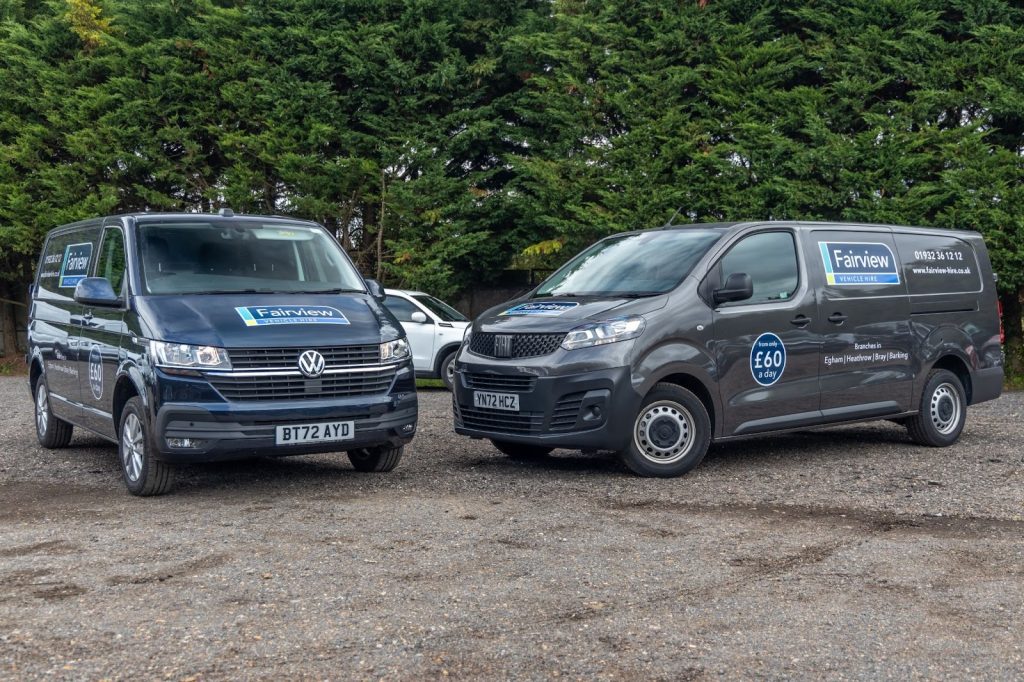
If you are looking for van hire with insurance in the South East of England, consider Fairview Vehicle Hire. We are a trusted provider of rental vehicles to commercial businesses and the general public. With over 2,200 vehicles in our fleet and five branches across London and the Home Counties, you are sure to find a van that suits your needs.
We offer Third-Party Liability Insurance with every one of our rental vehicles. Additionally, we offer add-ons at competitive prices to ensure your protection is as comprehensive as possible.
Through our app, you will discover the multitude of add-on coverages we offer, including (but not limited to):
- Excess Reduction (Capped at £1,000 from £7.35 per day)
- CDWs (Caps vehicle excess at £500 from £15.02 per day)
- Premium Protection (Reduces damage liability and caps at £100 per incident of damage/theft from £33.47 per day).
Contact us now to learn more about our insurance policies and add-on protections. Our representatives are happy to provide as much information as you need to provide you with complete peace of mind.